
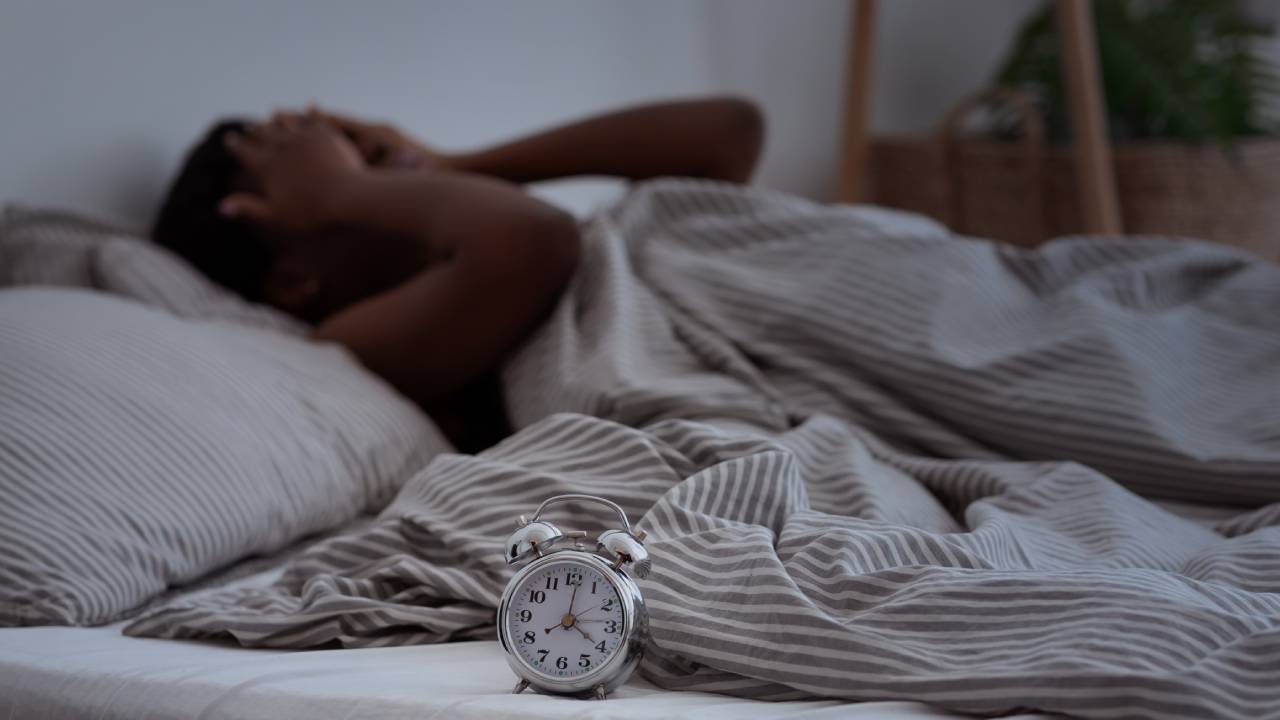
Sleep is foundational to your physical health, cognitive performance, and emotional well-being. Yet millions of Canadians live with undiagnosed sleep disorders—most commonly obstructive sleep apnea (OSA)—without realizing that their chronic fatigue, headaches, or poor concentration may be rooted in disrupted sleep.
If you’ve been wondering whether your sleep problems warrant professional evaluation, this guide will help you determine when a sleep study is appropriate and what to expect from the process.
What Is a Sleep Study?
A sleep study—also called a polysomnography test—is a diagnostic assessment that monitors your breathing, oxygen levels, heart rate, brain activity, and body movements while you sleep.
Sleep studies are used to diagnose conditions such as:
-
Obstructive sleep apnea (OSA)
-
Central sleep apnea
-
Insomnia
-
Restless legs syndrome
-
Narcolepsy
Today, many patients qualify for home sleep testing, which is a convenient and accurate way to evaluate for sleep apnea without staying overnight in a lab.
Common Signs You May Need a Sleep Study
While occasional poor sleep is normal, persistent symptoms may indicate an underlying sleep disorder.
1. Loud, Chronic Snoring
Snoring alone does not automatically mean sleep apnea. However, loud, habitual snoring—especially when paired with gasping or choking sounds—can be a red flag.
If your partner notices pauses in your breathing followed by sudden awakenings, this is strongly associated with obstructive sleep apnea.
2. Excessive Daytime Fatigue
Do you feel tired even after what should have been a full night’s sleep?
Excessive daytime sleepiness is one of the hallmark symptoms of sleep apnea. Because breathing interruptions repeatedly pull you out of deep sleep cycles, your body never reaches restorative rest—even if you were in bed for 7–9 hours.
You may notice:
-
Difficulty concentrating
-
Brain fog
-
Falling asleep while watching TV
-
Needing naps to function
-
Drowsiness while driving
If fatigue is affecting your work performance or safety, it’s time to investigate further.
3. Morning Headaches or Dry Mouth
Frequent morning headaches can be linked to oxygen drops during the night. Similarly, waking up with a dry mouth may indicate mouth breathing due to airway obstruction.
These symptoms are subtle but clinically significant when combined with other risk factors.
4. High Blood Pressure or Heart Issues
Sleep apnea is strongly associated with cardiovascular conditions. Research shows untreated OSA increases the risk of:
-
Hypertension
-
Atrial fibrillation
-
Stroke
-
Heart disease
If you’ve been diagnosed with high blood pressure—especially if it’s difficult to control—your physician may recommend a sleep study to rule out apnea as a contributing factor.
5. You’ve Been Told You Stop Breathing at Night
Often, it’s a spouse or partner who first notices breathing pauses. These apneas can last 10 seconds or longer and may occur dozens—or even hundreds—of times per night.
If someone has observed this, a sleep study should not be delayed.
6. You Have Risk Factors for Sleep Apnea
Even if symptoms feel mild, certain risk factors increase your likelihood of OSA:
-
Overweight or obesity
-
Neck circumference over 17” (men) or 16” (women)
-
Family history of sleep apnea
-
Type 2 diabetes
-
Smoking
-
Being over age 40
-
Male gender (though women are frequently underdiagnosed)
If you fall into multiple categories and experience fatigue or snoring, testing is a prudent next step.
What Happens If Sleep Apnea Goes Untreated?
Many people normalize poor sleep for years. However, untreated sleep apnea can contribute to:
-
Chronic fatigue
-
Mood disturbances and irritability
-
Reduced productivity
-
Increased accident risk
-
Cardiovascular disease
-
Metabolic disorders
The long-term health implications make early diagnosis critical.
What to Expect From a Sleep Study
At Liberty Sleep, we prioritize a streamlined, patient-focused approach.
For most patients, home sleep testing is appropriate. This involves:
-
A consultation to review symptoms and medical history
-
Receiving a small, easy-to-use testing device
-
Wearing the device overnight at home
-
Returning it for data analysis
The results help determine whether sleep apnea is present and how severe it may be, often measured by the Apnea-Hypopnea Index (AHI).
If diagnosed, treatment options such as CPAP therapy can dramatically improve sleep quality, energy levels, and long-term health outcomes.
When to Take Action
You should consider booking a consultation if:
-
You snore loudly and regularly
-
You wake up gasping or choking
-
You feel persistently exhausted
-
A partner has observed breathing pauses
-
You have high blood pressure with no clear cause
Sleep disorders rarely resolve on their own. The earlier they are identified, the easier they are to manage effectively.
Take the First Step Toward Better Sleep
If you suspect you may need a sleep study, the best step is a professional assessment. A simple test can provide clarity and open the door to restorative, uninterrupted sleep.
At Liberty Sleep, our goal is to help you breathe easier, sleep deeper, and wake up energized. If any of the symptoms outlined above sound familiar, it may be time to find out what’s really happening during the night.
Better sleep starts with answers—and answers start with testing. Take our free and simple sleep apnea quiz here.
How to Clean Your CPAP Machine Properly
CPAP Maintenance & Care