
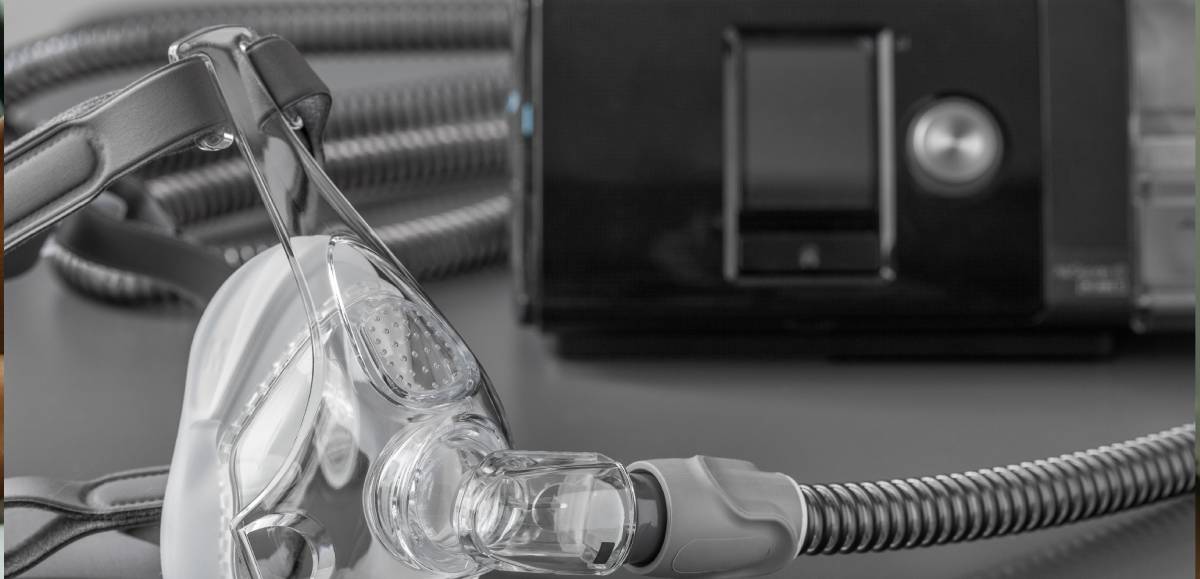
If you use CPAP therapy to treat obstructive sleep apnea, proper cleaning is not optional—it’s essential. A Continuous Positive Airway Pressure (CPAP) machine delivers pressurized air directly into your airway. Without consistent maintenance, moisture and debris inside the system can create an environment where bacteria, mold, and allergens accumulate.
Routine cleaning protects your health, extends the lifespan of your equipment, and ensures your therapy remains effective.
Below is a practical, step-by-step guide to cleaning your CPAP machine correctly.
Why CPAP Cleaning Matters
Each night, your mask is exposed to:
-
Skin oils
-
Sweat
-
Saliva
-
Moisture from exhaled breath
Your humidifier chamber also contains standing water, which can encourage microbial growth if neglected. Dirty equipment can contribute to:
-
Sinus infections
-
Skin irritation
-
Persistent cough
-
Unpleasant odours
-
Reduced air pressure performance
A structured cleaning schedule prevents these issues.
Daily CPAP Cleaning Routine
Daily cleaning should focus on components that have direct contact with your face and moisture.
1. Clean the CPAP Mask
-
Disconnect the mask from the tubing.
-
Wash the cushion and frame in warm water with mild, fragrance-free soap.
-
Rinse thoroughly to remove residue.
-
Allow it to air dry on a clean towel away from direct sunlight.
Avoid harsh detergents, alcohol-based cleaners, or antibacterial soaps, as they can degrade silicone components.
2. Empty and Rinse the Humidifier Chamber
-
Discard any remaining water each morning.
-
Rinse the chamber with warm water.
-
Let it air dry completely before refilling.
Always use distilled water in your humidifier to minimize mineral buildup.
Weekly Deep Cleaning Routine
Once per week, perform a more comprehensive cleaning of the entire system.
1. Wash the Tubing
-
Submerge the tubing in warm, soapy water.
-
Gently swirl water through the hose.
-
Rinse thoroughly.
-
Hang it over a shower rod or towel rack to dry completely.
Ensure the tubing is fully dry before reconnecting to prevent moisture from entering the machine.
2. Clean the Humidifier Chamber Thoroughly
In addition to daily rinsing:
-
Soak the chamber in warm water with mild soap for 15–20 minutes.
-
Rinse thoroughly.
-
Air dry completely.
If mineral deposits develop, a solution of one part white vinegar to three parts water can help dissolve buildup. Rinse thoroughly afterward.
3. Wipe Down the Exterior Unit
Use a slightly damp cloth to wipe the exterior of your CPAP machine. Never submerge the main unit in water.
Replace Filters Regularly
Your CPAP filter prevents dust and airborne particles from entering the device.
-
Disposable filters: Replace every 2–4 weeks (or sooner if discoloured).
-
Reusable filters: Rinse weekly and replace every 3–6 months.
Check manufacturer guidelines for your specific model.
What NOT to Use
Avoid:
-
Bleach
-
Alcohol
-
Strong chemical cleaners
-
Essential oils
-
Automated ozone or UV cleaning devices unless approved by your manufacturer
These can damage internal components and may void warranties.
Signs Your Equipment Needs Attention
Even with regular cleaning, CPAP components require periodic replacement. Watch for:
-
Mask leaks
-
Stiff or cracked tubing
-
Discoloured cushions
-
Persistent odours
Most masks and cushions should be replaced every 3–6 months for optimal performance.
Consistency Is Key
Proper CPAP hygiene doesn’t need to be complicated—but it must be consistent. A five-minute daily routine and a weekly deep clean can dramatically reduce infection risk and help your therapy work as intended.
At Liberty Sleep, we support our patients not just with equipment, but with education. If you’re unsure about cleaning procedures or replacement schedules, professional guidance ensures you get the most out of your CPAP therapy.
Clean equipment supports clear airways—and better sleep starts with both.
What Are The Differences Between The ResMed AirSense 10 And 11
How to Know If You Need a Sleep Study